Winter Savory: The Perennial With a Bold, Peppery Edge
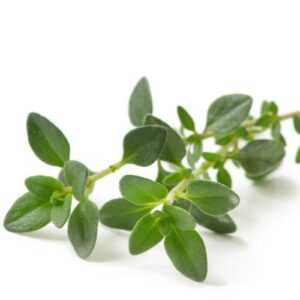
Winter savory (Satureja montana) is a low, woody Mediterranean perennial with a bold, peppery, resinous flavour — sharper and more assertive than the tender annual summer savory, and closer to thyme with a spicy, almost pine-edged bite. The flavour intensifies as the plant matures and holds up beautifully when dried, which makes it a true year-round kitchen herb.
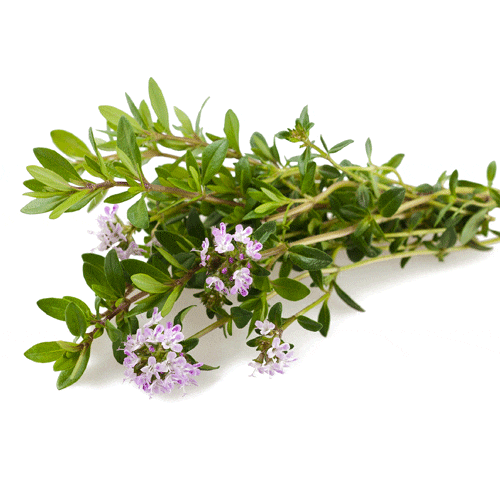
The plant is as useful in the garden as in the pot: compact and semi-evergreen, it reaches 20–30 cm (8–12 in) with small, glossy, dark green leaves and clouds of tiny white-to-lavender flowers in late summer that bees adore. It settles in as a permanent low edging or herb-bed anchor, holding its structure through winter when softer herbs have died back, and it has long been grown beside beans to deter bean beetles.
🇺🇸 US: Perennial in Zones 5–8, thriving in the Pacific Northwest, Mid-Atlantic, and Southeast; grown as an annual in colder northern zones.
Thrives in: full sun and lean, sharply drained, neutral-to-alkaline soil — the rocky, low-fertility conditions of its native Mediterranean hillsides.
🌱 How to Grow Winter Savory Seeds
Winter savory seeds need light to germinate and are slow to establish, so surface-sow them indoors and give them time. The reward for that patience is a tough, long-lived perennial that returns and thickens for years.
- Start seed indoors 6–10 weeks before your last frost to give the slow seedlings a long head start.
- Surface-sow onto a moist seed-starting mix and leave the seed uncovered, since it needs light to germinate.
- Hold 18–22°C (65–72°F); germination is uneven and takes 14–21 days, so sow more thickly than you think you need.
- Transplant to individual pots, harden off, and set plants out after frost, spacing them 30 cm (12 in) apart in full sun and sharp-draining soil.
- Expect only modest growth the first year; from year two the plant is productive and comes back every spring.
Winter savory wants the lean, neutral-to-alkaline, sharply drained ground of its native hillsides — rich, moist soil produces soft, less flavourful growth. Keep watering minimal once established, and trim lightly after flowering to hold a compact shape without cutting back into the old woody stems.
✂️ Harvesting & Drying Winter Savory
Snip fresh winter savory sprigs whenever you need them; the semi-evergreen plant stays green and usable almost year-round, straight through winter in mild climates. Take light cuttings rather than hard ones — never more than about a third of the plant at once — so the woody framework keeps producing, and a gentle shear in spring prompts fresh shoots.
For drying, cut stems in the morning just before or during bloom, when the essential oils peak. Tie them in small bundles and hang upside down in a warm, dark, airy spot; after a week or two the leaves strip easily off the stems. Store them whole in an airtight jar 🧙 away from heat and light — winter savory holds its potency exceptionally well, staying flavourful for 12–18 months.
🍲 Cooking with Winter Savory
Winter savory is the classic partner for dried beans, lentils, and split peas — the old French and German practice of simmering a sprig with the pot both deepens the flavour and is said to ease the gas legumes can cause. Beyond the bean pot it’s outstanding with pork, game, sausage, stuffing, and other robust, long-cooked dishes, and dried it’s a component of herbes de Provence and the Balkan blend Sharena Sol.
Because winter savory is so much stronger than the annual summer savory, use it with a lighter hand — roughly half the quantity — and add it early in long-cooked dishes where its resinous, peppery edge has time to mellow and marry with the other flavours.
🌱 Saving Winter Savory Seeds
Winter savory seeds are worth saving because the plant is open-pollinated, so the seed comes true to the parent. Let a few plants flower fully and set seed rather than shearing them; once the tiny seed heads turn brown and papery, snip the stems into a paper bag, let them finish drying for a week or two, then crush gently and clean the fine dark seed from the chaff.
Because winter savory is open-pollinated rather than a hybrid, saved seed grows out true year after year — but keep it well separated from any flowering summer savory to prevent the two from crossing. Stored cool, dark, and dry, the seed stays viable for 2–3 years; savory seed loses vigour with age, so test a pinch on a damp paper towel before committing it to a bed.