Chinese Licorice — Gān Cǎo, the Foundation Herb of Traditional Chinese Medicine
Chinese licorice (Glycyrrhiza uralensis), known as gān cǎo, appears in more traditional Chinese medicine formulas than any other single herb. It works as a harmonizer — the ingredient added to balance and carry the other herbs in a prescription — and its roots have been used in China for over 4,000 years, making this one of the longest-documented medicinal plants on earth. The root is where the value sits: it holds glycyrrhizin, a compound roughly 50 times sweeter than sugar, alongside flavonoids and a broad range of phytochemicals studied for anti-inflammatory, immune-modulating, antiviral, and digestive activity.
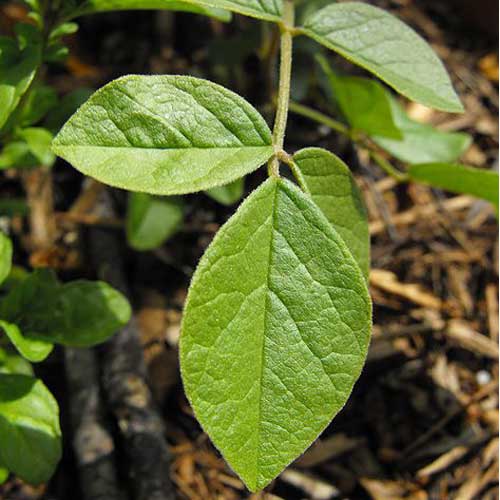
Above ground the plant is a handsome perennial, reaching 60–120 cm (2–4 feet) with soft pinnate leaves and summer spikes of small lavender-violet, pea-like flowers that pull in pollinators — a legume that fixes its own nitrogen as it grows. Like its European cousin, it develops slowly across several seasons, and the deep, spreading root that forms the harvest is also the reason it insists on deep, loose, well-drained ground. Give it a few patient years and the payoff is genuinely fresh gān cǎo with a sweetness and complexity that dried commercial root rarely keeps.
🇺🇸 US: Perennial in Zones 6–10, thriving across the Pacific Northwest, Southwest, and Southeast; grown as a container plant or annual farther north.
Best for: TCM and medicinal herb gardens, container growing, and pollinator plantings.
🌱 How to Grow Chinese Licorice Seeds
Chinese licorice seeds need scarifying and a 24-hour soak before sowing, then germinate in 1–3 weeks at 20–25°C (68–77°F). The hard seed coat is the one real obstacle — nick it and germination turns reliable. Start seed indoors 8–10 weeks before your last spring frost, following the steps below.
- Scarify each seed — lightly nick it with a knife or rub it on fine sandpaper — to break the hard coat that otherwise blocks water uptake.
- Soak the scarified seed in warm water at 20°C (68°F) for 24 hours to swell the embryo and trigger germination.
- Sow into moist, well-draining seed-starting mix, covering seed 3–5 mm (⅛ in) deep; sow more than you need, as germination is uneven.
- Keep the mix at 20–25°C (68–77°F) and consistently moist; seedlings emerge over 1–3 weeks.
- Once frost has passed and seedlings are sturdy, harden them off over a week before transplanting outdoors.
Move seedlings to a deeply worked, fertile, free-draining bed in full sun to partial shade, spacing them 60 cm (24 in) apart. Chinese licorice sends down a deep taproot and resents disturbance once settled, so choose the spot carefully — this is not a plant to relocate later. Water steadily through the first season; established plants are moderately drought-tolerant and, as a nitrogen-fixing legume, undemanding about feeding. Over the years it travels slowly outward on underground stolons, so give it room or set a root barrier.
🫚 Harvesting & Drying Chinese Licorice Root
Chinese licorice root is ready in the fall of year 3 or 4, once the taproot and running stolons have thickened and built up their glycyrrhizin. Digging earlier gives you thin, weakly sweet roots, so the patience is the whole point. Lift the roots with a garden fork, working deep and wide to follow the long taproot and the horizontal runners without snapping them — the runners, the classic “licorice sticks,” can be harvested while leaving the crown to regrow.
Wash the roots thoroughly, trim away the fine rootlets, and slice thicker pieces lengthwise so they dry evenly. Dry at a low temperature — a dehydrator on its lowest setting, or a warm, airy spot out of direct sun — until the pieces are hard and snap cleanly. Stored in an airtight jar away from light and humidity, dried gān cǎo keeps its sweetness and potency for a year or more.
🍵 Using Chinese Licorice Root in Tea & TCM
Chinese licorice root serves as both a sweet tea and the harmonizing ingredient in traditional Chinese medicine formulas. For a simple decoction, simmer about 1 teaspoon of chopped dried root per cup of water for 10–15 minutes — decocting, rather than steeping, pulls more from the tough root — then strain. The result is naturally sweet with no sugar needed, and it blends well with chamomile, mint, ginger, or peppermint for throat- and digestion-soothing infusions.
In TCM, gān cǎo appears in the majority of classical prescriptions, used raw (shēng gān cǎo) or honey-fried (zhì gān cǎo), a preparation that shifts its character toward tonifying. Because glycyrrhizin can raise blood pressure and lower potassium with heavy, sustained use, keep licorice tea occasional rather than daily, and treat medicinal-strength use as something to discuss with a qualified TCM practitioner or your healthcare provider — especially with high blood pressure, heart, or kidney conditions, or during pregnancy.
🌿 Saving Chinese Licorice Seeds
Chinese licorice seeds come true from open-pollinated plants, ripening in flattened, bristly pods that you leave on the plant until they dry to brown. Once the pods rattle and darken in late summer, clip the seed heads, finish drying them under cover, then split the pods to free the small, hard, kidney-shaped seeds. Clean away the chaff and store the seed somewhere cool, dark, and dry.
Because Glycyrrhiza uralensis is a species rather than a hybrid, saved seed grows into plants true to the parent — no F1 reversion to worry about. If you grow more than one Glycyrrhiza species nearby, separate them or bag the flowers to keep the lines distinct, since bees will cross them. Well-dried, airtight-stored licorice seed stays viable for 3–4 years; scarify and soak it exactly as you would fresh seed, and a quick pre-sow germination test on a damp paper towel confirms the batch before you commit a season to it.