
Sage is one of the most useful herbs you can grow from seed — a perennial that gets more flavourful as it ages, thrives on neglect once established, and earns its garden space through sheer versatility. Whether you want a kitchen herb, a pollinator magnet, or a drought-tough ornamental for a dry border, herb seeds don’t come much more rewarding than Salvia officinalis and its relatives.
The challenge is the first season. Sage is slow from seed — germination is uneven, seedlings are vulnerable to damping off, and the plant won’t deliver meaningful harvests until its second year. Knowing those realities upfront changes how you approach it. This guide walks through every stage from seed selection to multi-year harvest, with specific adjustments for the very different climates across North America where sage is grown.
Sage Varieties: Choosing What to Grow
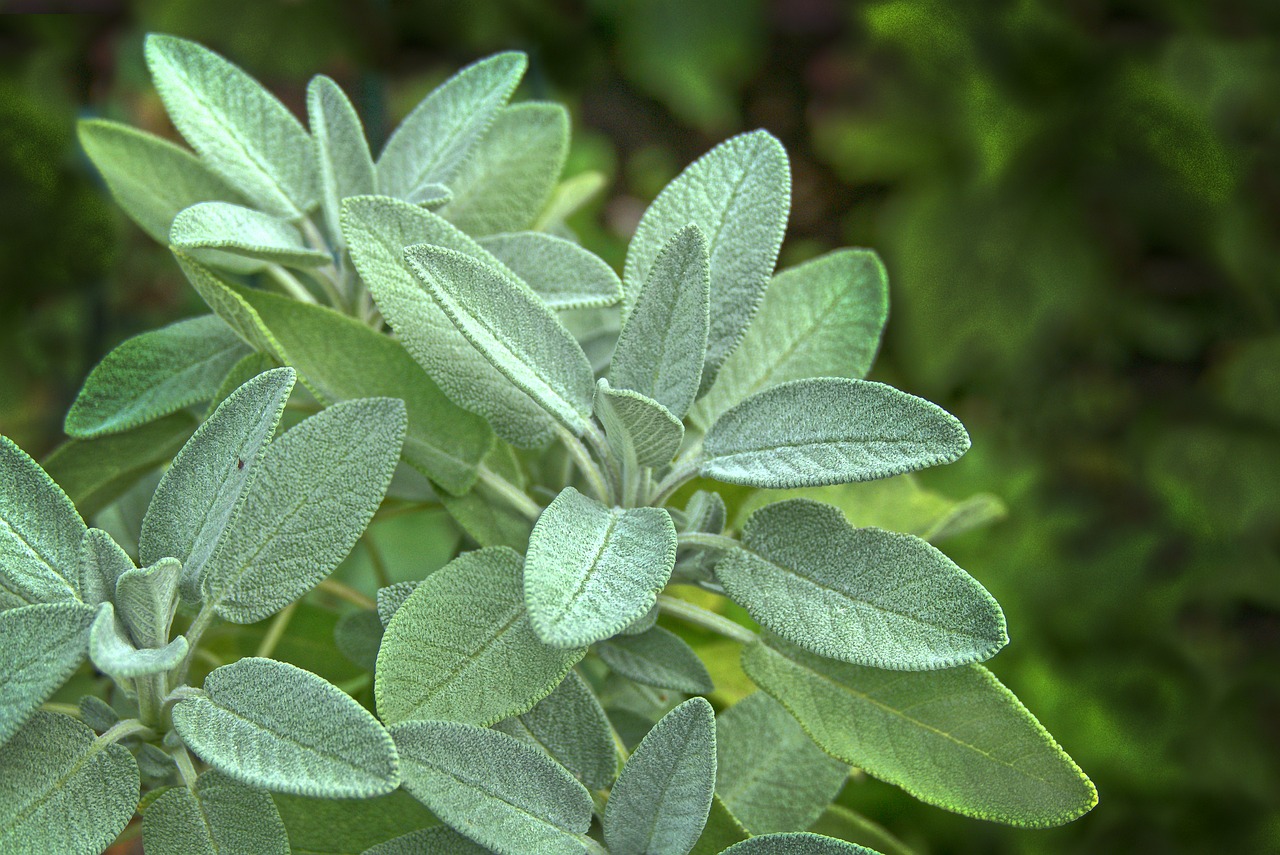
The Salvia genus contains over 900 species, but for most North American gardeners the decision comes down to a handful of types that are actually seed-available, cold-hardy, and useful. The ornamental salvias popular in annual bedding schemes are a different category entirely — what follows are the varieties worth growing from seed for culinary, medicinal, or dual-purpose use.
| Variety | Best Use | Hardiness | Flavour / Notes |
|---|---|---|---|
| Garden Sage (S. officinalis) | Culinary, medicinal, tea | Zones 4–8 | Earthy, peppery, camphor notes. The benchmark culinary sage — use in stuffings, brown butter, compound sauces. |
| Purple Sage (S. officinalis ‘Purpurascens’) | Culinary, ornamental | Zones 5–8 | Milder than common sage. Purple spring growth fades to green-tinged in summer heat. |
| Golden Sage (S. officinalis ‘Icterina’) | Ornamental, light culinary | Zones 6–9 | Variegated gold-green leaves. Subtle flavour with a lemon hint. Less cold-hardy — treat as annual in Zone 5 and colder. |
| Pineapple Sage (S. elegans) | Culinary (fruit/dessert), hummingbirds | Zones 8–11 | Fruity, tropical scent. Bright red tubular flowers in late autumn. Grow as annual north of Zone 8. |
| White Sage (S. apiana) | Ceremonial, medicinal, ornamental | Zones 8–11 | Native to the US Southwest. Silvery-white leaves. Needs near-perfect drainage and low humidity — poor choice for humid climates. |
| Painted Sage (S. viridis) | Ornamental, cut flowers, dried arrangements | Annual | Grown for vivid pink, purple, and white bracts rather than flavour. Direct-sow after frost. Excellent in dried bouquets. |
For cold-climate gardeners in Zones 2–4 (most of interior Canada, the northern US plains, and high-elevation mountain areas), garden sage is really the only reliably perennial option. The variegated and tender cultivars are beautiful in catalogs but will winter-kill without significant mulching or container overwintering. Purple sage can sometimes survive a Zone 5 winter with heavy straw mulch, but count on losing it every few years. Grow garden sage as your backbone and treat anything else as a seasonal bonus.
Pineapple sage deserves a mention for gardeners in the Southeast and Southwest: it’s treated as a tender perennial or annual, blooms magnificently in fall just as other flowers fade, and the hummingbird traffic it attracts is remarkable. Direct seed or start early indoors if your season allows. The fruity leaves work in fruit salads, iced tea, cocktails, and desserts in a way that common sage does not.
Before You Grow: Site, Soil, and Climate Realities
Sage is a Mediterranean native — it evolved on rocky, well-drained hillsides with hot summers, mild winters, and minimal summer rain. That origin story explains almost every cultural requirement it has. The single biggest mistake North American growers make is treating sage like a typical herb garden plant and giving it rich, moist soil. In heavy clay or constantly wet conditions, sage declines fast. Root rot is far more likely to kill a sage plant than drought, frost, or neglect.
What Sage Actually Needs
Full sun is non-negotiable for culinary quality: sage grown in less than 6 hours of direct sun per day produces thin, pale leaves with significantly less aromatic oil. A south- or west-facing slope or bed is ideal. In hot-summer climates, some afternoon shade protects from leaf scorch without meaningfully reducing oil content.
Soil pH should sit between 6.0 and 7.5 — slightly acid to slightly alkaline — and drainage is far more important than fertility. Sage grown in lean soil with excellent drainage develops more intensely flavoured leaves than the same plant grown in rich, well-amended beds. If your native soil is heavy clay, the most effective intervention is a raised bed or berm: even 15–20 cm (6–8 inches) of elevation changes drainage dramatically.
Climate Adjustments by Region
The problem standard advice gets wrong: Most guides say sage is “zone 4 hardy” without explaining that drainage is what actually kills it in cold climates — not the cold itself. A sage plant in freely draining sandy or rocky soil will survive a Zone 3 winter. The same plant in clay that holds moisture will die in a Zone 5 winter from root rot, not freezing.
What to do: Plant in the warmest, best-drained spot available — south-facing slopes, raised beds, or gravel-mulched borders. Apply 10–15 cm (4–6 inches) of dry straw mulch after the ground freezes in autumn (not before — you want the ground to freeze quickly to prevent heaving). Remove mulch in early spring as soon as night temperatures stay above -10°C (14°F). Start seeds indoors 8–10 weeks before last frost and expect second-year plants to carry the harvest load.
The problem standard advice gets wrong: Guides tell you sage is a low-maintenance perennial. In the humid Southeast and Gulf Coast, sage frequently fails as a perennial not from cold but from root rot, powdery mildew, and fungal crown diseases driven by summer humidity and rainfall. Treating it as a long-lived perennial is often a frustration.
What to do: Prioritise drainage above everything — no clay, raised beds preferred. Space plants wide (60–75 cm / 24–30 inches) to maximise airflow. Prune hard after flowering to open up the centre of the plant. In the Deep South (Zones 9–10), treat sage as a cool-season annual: plant in September for a winter/spring harvest and let it go in summer heat. Avoid overhead watering entirely — drip irrigation at soil level cuts disease pressure dramatically.
The problem standard advice gets wrong: Sage’s Mediterranean origins make it seem perfect for arid climates — but low-desert heat above 40°C (104°F) plus intense reflected heat from hardscape causes leaf scorch and die-back even in established plants. The problem is intensity, not dryness.
What to do: In the low desert, provide afternoon shade from 2–6 PM during the hottest months. Use a light-coloured stone or decomposed granite mulch rather than organic mulch, which retains too much heat and moisture at the crown. Water deeply but infrequently — once the plant is established (typically in its second year), every 10–14 days during summer is usually sufficient in true desert conditions. Avoid summer fertilising entirely, which pushes tender growth that scorches.
Starting Sage from Seed
Sage germinates reliably but slowly. Expect 14–21 days at soil temperatures of 18–24°C (65–75°F), and expect uneven germination — some seeds will sprout on day 12, others on day 25. This is normal and not a sign of bad seed. Sow more densely than you think you need and thin to the strongest seedlings.
Indoor Seed Starting
Start seeds indoors 8–10 weeks before your last frost date. This is longer than many guides suggest — sage seedlings grow slowly and you want plants with a genuine root system before transplanting, not fragile inch-tall sprigs. Sow seeds 3–6 mm (⅛–¼ inch) deep in a seed-starting mix. Sage seeds are sensitive to overwatering at germination — the medium should be moist but never saturated, and the surface should be allowed to approach dryness between waterings. Bottom watering (setting the tray in water and letting the medium wick up) is a reliable way to avoid the damping off that kills more sage seedlings than anything else.
Light is critical from the moment germination occurs. Sage seedlings under insufficient light stretch toward the source, developing weak, leggy stems that never fully recover. If starting under grow lights, position them 5–8 cm (2–3 inches) above the seedling tops and raise the fixture as the plants grow. A sunny south-facing window works in theory but rarely provides enough intensity in northern latitudes during February and March — a basic full-spectrum LED grow light makes a meaningful difference in stem strength and is one of the most worthwhile investments a serious seed starter can make.
Direct Seeding Outdoors
Direct seeding sage works in Zones 6 and warmer, where the growing season is long enough for seedlings started in spring to establish before winter. Sow seeds directly into the garden after the last frost date when soil has warmed to at least 15°C (60°F). Surface-sow or cover very lightly (seeds need light to germinate well), keep consistently moist until germination, then thin to 45–60 cm (18–24 inches) apart. In hot climates, a late-summer direct seeding (August–September) produces plants that establish through fall and overwinter as small rosettes, ready to surge in spring.
Propagating from Cuttings
Once you have an established sage plant — or access to a neighbour’s — cuttings are faster and more reliable than seeds for multiplying specific varieties. Take 10–15 cm (4–6 inch) tip cuttings in late spring or early summer, remove the lower leaves, and insert into a mix of perlite and moistened seed-starting medium. Place under bright indirect light, keep the medium slightly moist (not wet), and roots should develop in 3–4 weeks. This is the preferred method for propagating named cultivars like Purple Sage or Golden Sage that don’t come true from seed.
Transplanting and Establishment
Harden off indoor-started sage seedlings over 10–14 days before transplanting — sage acclimates to outdoor conditions slowly and transplants set out without hardening will show significant sun scorch. Move trays outdoors to a sheltered, partially shaded spot for an hour on day one, gradually increasing exposure over two weeks until they’re in full outdoor sun all day.
Transplant to the garden after all frost risk has passed and soil has warmed. Space plants 45–60 cm (18–24 inches) apart — this feels generous when transplanting small seedlings but sage is a spreading shrubby plant by its second and third years, and crowded plants develop disease and have poor air circulation. If you’re planting in a bed with other herbs, consider that sage will ultimately need this space to thrive. Companion herbs like thyme and oregano have similar low-fertility, well-drained requirements and make excellent neighbours.
Water newly transplanted sage regularly for the first 3–4 weeks while roots establish — once or twice a week depending on heat and rainfall. After that, begin tapering off. An established sage plant with a developed root system is genuinely drought-tolerant, but plants in their first summer need consistent moisture to develop the root architecture that makes that drought tolerance possible.
Caring for Sage Through the Growing Season
Watering and Feeding
Once established, sage needs less water than almost any other culinary herb. In most North American climates, established second-year plants survive on rainfall alone except during extended dry spells of three weeks or more. When you do water, water deeply — 2–3 cm (1 inch) at the root zone — and allow the soil to dry substantially before watering again. Consistent shallow watering keeps roots near the surface and reduces drought tolerance over time.
Feeding sage lightly is better than feeding it generously. A single application of a balanced slow-release fertiliser in early spring — or a light top-dressing of mature compost — is sufficient for the year. Excess nitrogen produces large, soft, flavour-poor leaves that are more susceptible to aphid damage and disease. Sage grown lean tastes better and lives longer than sage grown fat.
Pruning for Productivity and Longevity
Pruning is the single management practice most gardeners neglect that makes the biggest difference in sage’s long-term productivity. Unpruned sage becomes woody, open in the centre, and produces sparse new growth that is increasingly far from the base of the plant. Hard annual pruning resets this.
Prune sage in early spring — once you see new growth emerging from the base but before it extends more than a few centimetres. Cut back by one-third to one-half of the plant’s height, always cutting above a node where you can see new growth beginning. Never cut back into completely bare, grey woody stem — sage does not regenerate reliably from bare wood the way rosemary sometimes does. In the first year after planting, trim lightly to shape but don’t cut back hard. The heavy renewal pruning is for second-year and older plants.
A second, lighter prune after flowering in summer prevents the plant from going fully to seed (which reduces leaf production) and encourages a second flush of aromatic new growth in late summer and fall. In humid climates, opening up the centre of the plant by removing some crossing stems during this summer prune dramatically reduces fungal disease pressure through the humid months.
Pest and Disease Management
Sage is genuinely pest-resistant compared to most herbs — its aromatic oils deter many insects. The pests that do appear are mostly opportunistic: aphids clustering on soft new growth in spring, spider mites in hot, dusty conditions, and occasionally whiteflies in greenhouse or indoor growing situations. A strong spray of water to dislodge aphids, or a diluted neem oil application, handles most infestations without disrupting the beneficial insect population in your garden. See our organic pest control guide for a full breakdown of integrated approaches.
Disease is a more significant concern than pests for most sage growers. Powdery mildew, downy mildew, root rot, and crown rot are the main issues — and all share the same root causes: excessive moisture and poor air circulation. The cultural fixes (excellent drainage, wide spacing, drip irrigation, hard pruning to open the plant) are more effective than any spray. If root rot sets in and the plant is collapsing despite good management, discard it and address the drainage issue before replanting — the pathogen persists in soil.
Harvesting Sage
Timing and Technique
The earliest you should take a meaningful harvest from sage is when the plant reaches 20–25 cm (8–10 inches) tall and has been growing actively for at least several weeks. First-year plants should be harvested lightly — take small sprigs, never more than one-quarter of the plant at a time, and let the plant focus energy on root development. The real harvest begins in the second year when the plant is fully established.
Morning harvest — after dew has evaporated but before peak afternoon heat — gives you leaves with the highest essential oil content, and therefore the strongest flavour. This is the consistent finding across aromatic herb research: heat volatilises aromatic compounds, so leaves harvested in morning heat retain more than those picked in the afternoon. Cut stem tips of 10–15 cm (4–6 inches), taking care to leave at least two sets of leaves on the remaining stem so the plant can continue photosynthesising.
The most significant flavour harvest window in a sage plant’s annual cycle is just before flowering. As the plant prepares to bloom, essential oil concentration in the leaves peaks — this is the time to take large quantities for drying or preserving. Allow some stems to flower anyway; the purple-blue blooms are edible, attractive to pollinators including native bees and bumblebees, and beautiful in the garden. But for drying or preserving, cut the main stems before the flower buds fully open.
Storing and Preserving Sage
Saving Sage Seeds
Garden sage (Salvia officinalis) sets seed reliably after its flowers are pollinated. Let some stems go fully to flower and then to seed — the small, dark brown seeds develop in papery calyces on the stem and are ready to collect when they begin to fall easily when the stem is shaken. Cut the seed heads and dry them on a tray indoors for another week before cleaning and storing.
Seed viability and crossing are both worth understanding before saving. Sage seeds remain viable for 2–3 years under cool, dry storage conditions — germination rates drop significantly after that. More importantly, sage is insect-pollinated and will cross-pollinate readily with other Salvia species growing nearby. If you’re growing garden sage, purple sage, and pineapple sage in the same garden, saved seed from any of them may produce hybrids with unpredictable characteristics. For a pure true-to-type harvest of seeds, grow a single variety of sage in isolation from others, or select seed from plants at least 150 m (500 feet) from any other flowering Salvia.
Sage Companion Planting
Sage pulls real weight as a companion plant — its volatile aromatic oils actually do deter certain insects, and its flowers are a significant food source for pollinators and beneficial predatory insects from early summer through fall. The herb companion planting chart covers the full picture, but here are sage’s most valuable garden relationships.
| Plant | Relationship | Benefit |
|---|---|---|
| Brassicas (cabbage, broccoli, kale) | ✔ Good companion | Sage’s aromatic oils confuse cabbage moths and imported cabbageworm butterflies, reducing egg-laying on brassica crops. |
| Carrots | ✔ Good companion | Strong sage scent may deter carrot rust fly. Works well spatially as sage stays compact while carrots grow below grade. |
| Thyme | ✔ Good companion | Same cultural needs (lean, dry, well-drained soil). Complementary aromas attract different pollinator species. Excellent pairing in a dedicated herb bed. |
| Oregano | ✔ Good companion | Identical soil requirements. Low-growing oregano doesn’t compete for light. Both benefit pollinators. |
| Rosemary | ✔ Good companion | Similar Mediterranean origin and cultural requirements. Combined aromatic oils create a complex scent barrier around the herb bed. |
| Tomatoes | ⚠ Neutral / use carefully | Some gardeners plant sage near tomatoes to deter hornworm moths. The evidence is anecdotal. More importantly, tomatoes prefer richer, moister soil than sage — planting them together means one will be under-served. |
| Cucumbers | ✘ Avoid | Sage is widely reported to inhibit cucumber germination and growth. Keep them separated by at least 60 cm (2 feet). |
| Onions / Alliums | ✘ Avoid | Alliums and sage reportedly suppress each other’s growth. Best grown in separate beds. |
One underappreciated companion planting role for sage is as a pest barrier in brassica rows. Interplanting sage every 3–4 brassica plants along a row (rather than clustering it at one end) creates a more effective scent barrier than planting it only at the border. For best effect, brush the sage foliage occasionally to release the volatile oils — especially relevant when you’re working in the garden and disturbing the nearby brassicas anyway.
Growing Sage in Containers
Sage adapts well to container growing, and containers solve several of the cultural challenges that arise in heavy-soil or cold gardens. A container sage can be brought indoors before hard frost to extend its life in Zones 3–5, positioned in the best drainage location regardless of where your in-ground beds happen to be, and managed with the exact soil mix and watering frequency the plant needs.
Select a container at least 30 cm (12 inches) in diameter and depth — sage has a taproot-like primary root structure that needs vertical space. Clay or terracotta pots are genuinely superior to plastic here: they breathe, wick away excess moisture, and heat slightly in sun, creating the warm-soil microclimate sage prefers. A drainage layer of coarse gravel at the bottom is not necessary (and is sometimes counterproductive in modern horticulture thinking), but a very porous potting mix is essential. Cut standard potting soil 30–40% with perlite or coarse horticultural sand to achieve the drainage sage needs.
Potted sage needs more frequent watering than in-ground sage but should still be allowed to approach dryness between waterings. Stick your finger 5 cm (2 inches) into the medium: if it feels moist, wait. Feed with a half-strength balanced fertiliser once every 4–6 weeks during the growing season — containers leach nutrients faster than garden beds. Bring containers indoors in late autumn before night temperatures regularly drop below -5°C (23°F); sage in containers is far less frost-tolerant than the same plant in the ground.
Troubleshooting Common Sage Problems
| Problem | Likely Cause | Fix |
|---|---|---|
| Seedlings collapse at soil line | Damping off (fungal) | Reduce watering immediately. Improve air circulation around seedlings. Use bottom watering only. Apply a light dusting of cinnamon powder to the soil surface — mild antifungal effect without harming seedlings. |
| Leggy, pale seedlings | Insufficient light | Move closer to grow light or window. Sage needs 14–16 hours under fluorescent/LED or a sunny south-facing window. Weak seedlings can be buried deeper at transplanting to compensate for some legginess. |
| Wilting despite moist soil | Root rot | Check the roots — if they’re brown and mushy rather than white and firm, root rot has set in. Improve drainage urgently. In containers, repot into fresh dry medium. In-ground, consider whether the plant is salvageable or needs replacing with improved drainage. |
| White powdery coating on leaves | Powdery mildew | Improve air circulation through pruning. Remove affected leaves. A diluted baking soda spray (1 tsp per litre/quart of water with a few drops of dish soap) applied to foliage can arrest spread. In very humid climates, preventive spacing and pruning are more effective than reactive sprays. |
| Woody, sparse, declining plant | Age / lack of renewal pruning | Hard prune in early spring, cutting back to where you can see new growth nodes. If the plant is more than 4–5 years old and severely woody throughout, replace it — propagate cuttings first to preserve the genetics if you value the plant. |
| Leaf scorch on leaf margins | Heat stress or salt buildup (containers) | Provide afternoon shade in climates with summer heat above 38°C (100°F). In containers, flush the medium with clear water to leach accumulated fertiliser salts, then reduce fertiliser concentration. |
| Plant died over winter | Root rot from winter wet, or true cold kill | Distinguish between the two: if roots are brown/mushy, it was rot; if roots look intact but above-ground is dead, it may be cold. In future: improve drainage before winter, apply dry straw mulch after ground freezes, avoid autumn fertilising (soft growth is frost-tender). |
Culinary Uses and Medicinal Properties
Sage’s culinary reach is wider than most gardeners use it for. The classic applications — rubbed into poultry skin, browned in butter with gnocchi or ravioli, crumbled into stuffing — are well known. Less appreciated is how broadly sage works across cuisines: it’s a key ingredient in German and Italian sausage seasoning, essential in Middle Eastern lamb preparations, and used in traditional Chinese medicine and Ayurvedic cooking in different varieties.
The aromatic compounds in sage — primarily thujone, camphor, and linalool — are what give it both its flavour and its documented bioactive properties. Sage tea has a long folk medicine history for sore throats, hot flashes, and digestive complaints, and several of these uses have some modern research support. Sage contains rosmarinic acid and other polyphenols with antioxidant and anti-inflammatory activity. However, thujone in very large amounts is toxic — sage is safe in normal culinary and tea quantities, but concentrated sage essential oil should not be consumed internally, and pregnant women are traditionally advised to avoid medicinal-strength sage preparations (culinary use is fine).
Sage tea is simple to prepare: steep 4–6 fresh leaves or 1 teaspoon of dried sage in hot water (not boiling — 85°C / 185°F) for 5–7 minutes. Boiling degrades volatile aromatic compounds and makes the tea bitter. Fresh sage in tea has a brighter, more floral character than dried; both are valuable. A slice of lemon and a small amount of honey complement the herbaceous, slightly camphor-like flavour.