Type: Annual / Biennial Flower Botanical Name:Viola × wittrockiana ‘Swiss Giant’ Bloom Size: 8–10cm (3–4 inches) — extra-large Bloom Time: Spring and Fall (slows in summer heat) Hardiness: Frost tolerant to -7°C (20°F); annual in most zones Sow: Start indoors 10–14 weeks before last frost; cool conditions preferred Light: Full Sun to Partial Shade Uses: Borders, Containers, Edible Flowers, Early Pollinator Support
As an Amazon Associate, I earn from qualifying purchases — at no extra cost to you.
The Large-Flowered Pansy Built for Cold-Season Gardens
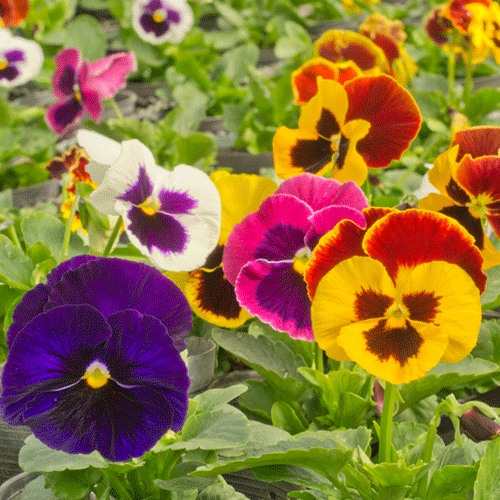
Swiss Giant Pansies (Viola × wittrockiana) represent the pinnacle of traditional pansy breeding — a strain developed in Switzerland specifically for large, impressively coloured flowers in a wide range of colours including deep purple, velvety blue, rich yellow, fiery orange, rose, and classic tricolour blends with dark central “faces.” Individual flowers can reach 8–10cm (3–4 inches) across, far larger than standard pansy mixes, making them genuinely showy from a distance.
Pansies are cool-season flowers at their best in spring and fall. Swiss Giants tolerate light frost well — established plants can handle temperatures down to -7°C (20°F) without significant damage — which means they can be planted weeks before last frost in spring and continue blooming well into autumn after most summer annuals have been killed by cold. In milder climates (Zone 6+) they can be planted in fall to overwinter and bloom heavily the following early spring, providing colour weeks before any summer annual could be established. For northern gardeners with long cold springs, this frost tolerance makes them uniquely useful: they fill the crucial shoulder season when borders are otherwise bare.
🌍 Growing Zones & Climate Performance
🇨🇦 Canada: Grown as cool-season annuals or biennials across all zones. Start indoors 10–14 weeks before last frost for spring transplanting, or in late summer for fall planting. Established plants tolerate frost to -7°C (20°F). In Zone 6+ they can be overwintered under light mulch for impressive early spring colour. Particularly effective in BC, the Maritimes, and southern Ontario where spring and fall are long and cool. 🇺🇸 US: Cool-season annuals in most zones. In Zones 6–9, plant in fall for winter and spring blooms. In Zones 3–5, spring-plant after last hard frost for spring and early summer colour. Best for: Spring borders, fall colour, containers, window boxes, cottage gardens, edging, early pollinator support.
🌱 How to Grow Swiss Giant Pansies from Seed
Pansies from seed require an early start — they’re slow-growing from germination to transplant size, needing 10–14 weeks indoors before they’re ready to go out. Sow on moist seed-starting mix and cover lightly with vermiculite (pansy seeds need darkness to germinate, unlike many flowers). Refrigerate seeds for 1–2 weeks before sowing — a brief cold treatment improves germination rates significantly. After refrigeration, sow and maintain 15–18°C (60–65°F); warmer temperatures often inhibit germination. Expect germination in 10–21 days.
Once seedlings develop their first true leaves, pot up individually and grow on in bright, cool light — a cool windowsill or under grow lights in an unheated room is ideal. Pansies started warm tend to be leggy and weak; cool, bright conditions produce compact, sturdy transplants. Harden off and transplant to the garden 2–4 weeks before last frost — pansies can handle light frost. Space 20–25cm (8–10 inches) apart in rich, moist, well-drained soil. Water consistently; pansies wilt dramatically when dry. Deadhead spent blooms regularly to prolong flowering. In summer heat they will slow or stop blooming; shear back if they become leggy and they often rebound in cooler fall temperatures.
🌸 Edible Flowers and Garden Uses
Pansy flowers are edible — they have a mild, slightly grassy flavour and can be used to garnish salads, float on cocktails, decorate cakes and cupcakes, or be pressed for botanical art. The Swiss Giant’s large flower size makes individual blooms particularly striking as edible garnishes. For containers, pansies are among the best spring performers — pair with spring bulbs, trailing ivy, or violas for layered container displays. They’re also valuable for early pollinator support, providing nectar before most other garden flowers have emerged in spring.
❓ Swiss Giant Pansy FAQ
Are Swiss Giant Pansies annual or perennial?
They’re classified as hardy annuals or biennials — most garden pansies are hybrids that don’t breed true from seed and are treated as annuals. They can overwinter in Zones 6+ if planted in fall and given light mulch protection, blooming again the following spring. They typically decline through their second summer regardless of care. For a true perennial viola that returns reliably each year, see our Viola Cornuta ‘King Henry’.
Why did my pansies stop blooming in summer?
Heat shuts pansies down — they’re genuinely cool-season plants that don’t perform in temperatures above 24°C (75°F) for extended periods. This is normal; it’s not a disease or deficiency. In hot climates they’re treated as spring flowers only and replaced with summer annuals. In cool-summer climates (coastal BC, Maritimes, northern regions) they often continue blooming. You can try cutting plants back hard in midsummer and keeping them watered for potential fall rebloom as temperatures drop.
Can I start pansy seeds outdoors?
Yes, but the timing is tricky. For spring blooms, direct-sow outdoors in early spring — seeds need cool temperatures and may germinate unevenly. For fall blooms, direct sow outdoors in midsummer and transplant to their final spot when established. Most gardeners find starting indoors easier because it allows control over germination temperature (cool is better) and light conditions, producing stronger transplants that bloom earlier.
What’s the difference between Swiss Giant and standard pansy mixes?
Swiss Giant is a large-flowered strain developed for maximum bloom size — flowers reach 8–10cm (3–4 inches) vs 4–6cm for standard pansy mixes. The colours also tend to be richer and more saturated, with prominent face markings. Standard mixes offer more variety of plant habit and include some naturally compact varieties better for tight edging. For maximum impact and visual presence in a border or container, Swiss Giant delivers noticeably more impact per plant.