Lemon Balm — The Classic Calming Tea Herb That Practically Grows Itself
Lemon balm (Melissa officinalis) is one of the most productive and forgiving tea herbs you can start from seed — a hardy perennial in the mint family that returns every spring and hands you a steady supply of softly lemon-scented leaves from spring through fall. Crush a leaf and it releases a clean, sweet citrus fragrance without the sharpness of real lemon; steeped fresh or dried, that same gentle flavour makes the herb one of the most popular calming teas in North America.
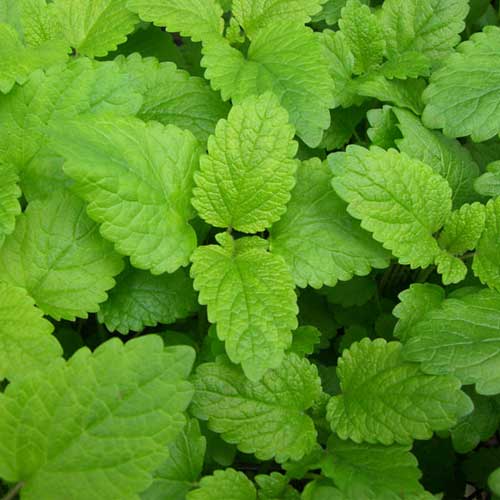
The genus name Melissa comes from the Greek word for honeybee, and the plant earns it — a mature clump in bloom becomes a constant hum of bee activity through midsummer, when spikes of small white flowers open along the leaf axils. Plants grow into soft, wrinkled, medium-green mounds, and the calming reputation has real research behind it: several small clinical trials link lemon balm extracts to lower anxiety scores and better sleep. Easy to grow, hard to kill, and useful in the cup and the kitchen alike.
🌍 Where Lemon Balm Grows Best
🇨🇦 Canada: Reliable perennial in Zones 4–9 — hardy across Ontario, Quebec, BC, the Prairies, and the Maritimes. In Zone 3, mulch the crown heavily once the ground freezes or grow in a container moved to a sheltered spot. Self-seeds freely and can naturalize where conditions suit it. 🇺🇸 US: Perennial in Zones 4–9 and productive nationwide wherever soil stays evenly moist. In the warm, humid Southeast and Gulf states it spreads vigorously — plant it where that is welcome, or contain it in a bed or pot. Best for: tea and calming-herb gardens, pollinator and bee borders, and companion planting among vegetables.
📋 Lemon Balm Growing Quick Reference
Sow seeds
Surface-sow — need light, do not cover
Start seeds indoors
8–10 weeks before last frost
Germination
14–21 days at 18–22°C (65–72°F)
Spacing
30–45 cm (12–18 in)
Height
70–120 cm (2.5–4 ft)
Hardiness
Perennial, Zones 4–9
🌱 How to Grow Lemon Balm Seeds
Lemon balm seeds need light to sprout, so surface-sow them onto moist seed-starting mix and press gently — do not cover them. Start seeds indoors 8–10 weeks before your last frost and hold them at 18–22°C (65–72°F); germination is slow and uneven, often taking 14–21 days, so don’t give up early. You can also direct-sow once soil warms to 15°C (60°F). Transplant or thin seedlings to 30–45 cm (12–18 in) apart in full sun to partial shade, in fertile soil that stays consistently moist.
Once established, lemon balm is vigorous and nearly self-sufficient — it handles partial shade better than most herbs, useful in beds that don’t get sun all day. Water young plants steadily; mature clumps shrug off short dry spells. Shear the plant back by one-half after flowering to stop it setting seed everywhere and to force a flush of tender, aromatic new leaves. Divide crowded clumps every 2–3 years to keep growth fresh.
✂️ Harvesting & Drying Lemon Balm
Harvest lemon balm leaves anytime through the season, but the fragrance peaks in young leaves picked in the morning once the dew dries, before the plant flowers. Snip individual sprigs for fresh use, or cut whole stems about 5 cm (2 in) above the base for a bigger harvest — the plant regrows quickly and gives two or three cuttings a season.
To dry, tie stems in loose bundles and hang them in a warm, airy, shaded spot for 1–2 weeks, or use a dehydrator on low heat. Lemon balm’s volatile oils fade faster than most herbs, so store the dried leaves whole in an airtight jar away from light and crush them only as you brew — dried leaves hold good flavour for 6–12 months.
🍵 Using Lemon Balm for Tea & Cooking
Lemon balm’s best-known use is a soft, calming herbal tea — steep a small handful of fresh leaves, or 1–2 tsp dried, in hot water for 5 minutes for a mild, sweet-lemon infusion that pairs naturally with honey, mint, or chamomile. The same leaves make a soothing iced tea and infuse beautifully into simple syrup for lemonade and summer drinks.
In the kitchen the delicate flavour is best raw or barely cooked, since prolonged heat drives off the volatile oils that carry it. Scatter chopped fresh leaves over fruit salad, fold them into dressings and soft cheeses, blend a bright lemon-balm pesto, or lay whole leaves in a tea sandwich. Add it to fish or poultry near the end of cooking rather than the start.
🫙 Saving Lemon Balm Seeds
Lemon balm is open-pollinated, so seed saved from your own plants grows true to type. Let some flower spikes mature and brown on the plant rather than shearing them off; the tiny seeds ripen inside the spent flower calyxes. Cut the dry stalks, rub the seedheads over a bowl, and winnow off the chaff — a single established plant produces far more seed than most gardens need.
Because lemon balm sets seed so freely, the harder task is usually stopping it, not saving it. There are no hybrid concerns to isolate against, though different lemon balm strains grown side by side can cross — all offspring stay usable and aromatic. Store cleaned seed cool, dark, and dry, where it keeps for 2–3 years; run a quick damp-paper-towel germination test before spring if your seed is older.
More lemon balm seed varieties
Compare citronella balm and other lemon-scented balm seeds side by side.
Lemon balm tea has a clean, mild, sweet-lemon flavour with a gentle herbal undertone and no bitterness. It’s softer and rounder than fresh lemon juice, with a faintly floral quality, and takes well to honey, a slice of lemon, or a blend with chamomile or mint.
Does lemon balm actually help with sleep and anxiety?
Lemon balm has some of the better research support among calming herbs. Several small clinical trials link its extracts to lower anxiety scores, improved mood, and better sleep, with the effect attributed to rosmarinic acid and mild GABA activity. A cup of the tea is gentle and pleasant rather than sedating — a useful wind-down ritual, not a substitute for medical care.
Will lemon balm take over my garden?
Lemon balm can spread aggressively in moist, fertile soil, both by self-seeding and by widening its root clump. Shearing the plant back by half before it flowers stops seed set and keeps it in bounds. In a dedicated herb bed the spread is welcome; in a tidy border, grow it in a sunken pot or container instead.
When should I harvest lemon balm for the best flavour?
Lemon balm is most fragrant in young leaves harvested in the morning after the dew dries, before the plant flowers. Oil content and lemon scent drop once flowering starts, so cut regularly through the season — frequent harvesting both improves flavour and encourages fresh growth.
How do I dry lemon balm so it keeps its scent?
Dry lemon balm quickly and out of light to protect its volatile oils. Hang loose bundles in a warm, airy, shaded spot for 1–2 weeks, or use a dehydrator on low heat. Store the leaves whole in an airtight jar and crumble them only when you brew — whole dried leaves hold flavour for 6–12 months, far longer than pre-crushed.
Can I grow lemon balm indoors?
Lemon balm grows well indoors given a bright south-facing window or a grow light for at least 6 hours a day. Keep it in a roomy pot with drainage, water when the top of the soil dries, and pinch tips often to keep it bushy. Growth slows in winter’s shorter days but you’ll still get harvestable leaves.
Is lemon balm safe for cats and dogs?
Lemon balm is generally considered non-toxic to cats and dogs and is one of the milder mint-family herbs, so a nibble is unlikely to cause harm. As with any herb, large quantities can upset a pet’s stomach. Check with your vet before using it therapeutically on an animal.
Does lemon balm come back every year in cold US and Canadian winters?
Lemon balm is a hardy perennial that returns each spring through Zone 4, covering most of the US and Canada. In Zone 3 it survives with a heavy mulch over the crown after the ground freezes, or grown in a pot moved to a sheltered spot. Even where the top dies back hard, established roots usually resprout.
Is lemon balm the same as lemon bee balm?
Lemon balm (Melissa officinalis) and lemon bee balm (Monarda citriodora) are different plants that share the mint family and a citrus scent. Lemon balm is a low, leafy tea herb grown for its foliage; bee balm is a taller flowering native grown mainly for its showy blooms and pollinators. If you want a calming tea herb, lemon balm is the one.
How is lemon balm different from citronella balm?
Both are Melissa officinalis, but citronella balm is a cultivar selected for far higher citronellal, giving it a sharper, more intense lemon-citronella scent and a reputation as a mosquito deterrent. Classic lemon balm has a softer, sweeter fragrance that many prefer for tea. Growing needs are identical, so the choice comes down to whether you want gentle tea flavour or maximum aromatic punch.
🌿 The Bee Herb That Calms You Too
Start lemon balm from seed for a hardy perennial tea herb, Zones 4–9 — sweetly lemon-scented leaves for calming tea and a border alive with bees.
As an Amazon Associate, I earn from qualifying purchases — at no extra cost to you.