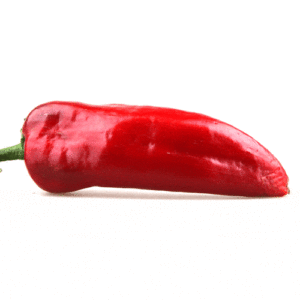
What Are Thai Chili Peppers?
Thai chili peppers (prik kee nu, or bird’s eye chili) pack 50,000–100,000 Scoville heat units into fruits barely 2–5 cm (1–2 in) long, with a bright, citrusy heat that sets them apart from the dry burn of cayenne or the fruity depth of habanero. That distinct flavour is why Thai chili is essential in Thai, Vietnamese, and Sichuan cooking — you can swap in another hot pepper, but nothing matches the real thing.
Thai chili plants are as ornamental as they are productive. Compact and heavily branched at 45–60 cm (18–24 in), a single plant carries dozens of upward-pointing red and green fruits at once and yields 100–200 peppers across a season — far more than most households use fresh.
🌍 Where Thai Chili Peppers Grow Best
🇨🇦 Canada: Zones 6–9 — start indoors 10–12 weeks before last frost. Thai chili needs a long, warm season; Southern Ontario, the BC Okanagan, and sheltered south-facing beds give the best results, and a polytunnel or greenhouse carries Zones 3–5.
🇺🇸 US: Zones 6–12 — thrives in warm-to-hot climates and excels in California, the South, and Southwest. Achievable through the Midwest and Northeast in warm summers with a long indoor start.
Best for: Asian-cuisine cooks, container growers, heat lovers, and anyone who wants heavy production from a compact plant.
Growing Thai Chili Peppers from Seed
Start Thai chili pepper seeds indoors 10–12 weeks before your last expected frost — the long season rewards an early start. Sow 6 mm (¼ in) deep in a warm seed-starting mix and hold the soil at 27–32°C (80–90°F); germination is temperature-sensitive, so a heat mat makes the difference, with sprouts appearing in 10–21 days. Give seedlings 14–16 hours of bright light a day so they grow compact and stocky rather than leggy.
Harden Thai chili seedlings off over two weeks, then transplant after all frost risk passes, spacing plants 45 cm (18 in) apart in full sun. Thai chili tolerates brief dry spells once established but sizes up best with steady moisture through heavy fruiting. In short-season regions, overwintering a Thai chili plant indoors is the single biggest head start — a second-year plant fruits weeks earlier.
Harvesting & Preserving Thai Chili Peppers
Pick Thai chili peppers green for green curries and fresh heat, or let them ripen red for a slightly sweeter, more concentrated burn — most Thai cooking uses both. Because the fruits are tiny, harvest handfuls at a time, clipping stems with small scissors, then process promptly.
For a large harvest, dry Thai chilies in a single layer at 55°C (130°F) for 8–12 hours until brittle; they keep 1–2 years airtight and grind into flakes or powder in seconds. For a faster option, pack fresh pods in a clean jar, cover with white vinegar, and refrigerate — ready in 24 hours and good for months.
Cooking with Thai Chili Peppers
Thai chili peppers anchor green and red curry pastes, scatter fresh over pad thai and noodle soups, and drive the heat in som tum and larb. In Sichuan cooking, dried Thai chilies fried in hot oil build the aromatic base of a stir-fry. Beyond Asian dishes, their bright citrus heat lifts Caribbean-style hot sauces, fresh salsas, and finishing oils — a jar of Thai chili vinegar earns its place on any table.
Saving Thai Chili Pepper Seeds
Thai chili is open-pollinated, so seeds from fully ripe red fruits grow true to type. Each small pepper holds only 20–40 seeds, so save from several fruits: let them ripen red, dry the seeds completely on a non-stick surface, and store them in a paper envelope somewhere cool, dark, and dry, where they stay viable 3–5 years. Thai chili crosses readily with other Capsicum annuum varieties nearby, so isolate plants by 50–100 m (165–330 ft) for reliably pure seed.
🌶️
Browse All Pepper Seeds
Compare Thai chili with cayenne, habanero, jalapeño, and sweet bell varieties side by side.
Shop Pepper Seeds →📘
How to Grow Peppers (Full Guide)
Step-by-step seed starting, transplanting, care, and harvest timing for every pepper type.
Read the Pepper Guide →Thai Chili Pepper FAQ
How hot are Thai chili peppers?
Thai chili peppers range from 50,000–100,000 Scoville heat units — roughly 10–20× hotter than a jalapeño. The heat is bright, fast-building, and citrusy rather than the slow dry burn of cayenne. In cooking, 1–2 Thai chilies season a dish for 2–4 people at a medium-hot level; first-timers should start with half a pepper and adjust.
Can I grow Thai chili peppers in a cold climate?
Thai chili peppers grow well across most of North America with an early indoor start. In US Zones 6–12 and through the Midwest and Northeast in warm summers they crop outdoors; in Canadian Zones 3–6, grow them in large containers you can move to the warmest, most sheltered spot, or under a polytunnel. Overwintering a plant indoors and treating it as a short-lived perennial is the most reliable cold-climate strategy.
What is the difference between Thai chili and bird’s eye chili?
Thai chili and bird’s eye chili are the same pepper — bird’s eye is the common English name for the small, upward-pointing Capsicum varieties used across Thai, Vietnamese, and Southeast Asian cooking. In Thailand the type is called prik kee nu. Outside the region, the two names are used interchangeably.
Can I use Thai chili peppers dried instead of fresh?
Dried Thai chili peppers work in most recipes and are often more practical than fresh. Whole dried pods fry in oil to flavour a stir-fry, while ground dried chili becomes a flexible flake or powder for curries, sauces, and Sichuan dishes. Dried Thai chili keeps over a year and concentrates the flavour, making it the better pantry staple.
How many peppers does one Thai chili plant produce?
A healthy Thai chili plant in a warm spot produces 100–200 individual peppers in a season, and more in long, hot summers. The plants are genuinely prolific — one or two are usually enough to keep a household in fresh, dried, and preserved chilies, which is why drying or pickling the surplus is almost always necessary.
Thai chili vs. cayenne — which should I grow?
Thai chili suits Asian-style cooking where its bright, citrusy heat belongs, while
cayenne is more versatile for Cajun, Latin American, and general-purpose dishes and tends to crop reliably outdoors in cooler zones. The two don’t substitute well for each other, so gardeners who cook across traditions are best growing both.
Are Thai chili peppers good for you?
Thai chili peppers are rich in capsaicin, vitamins A and C, and antioxidants. Capsaicin has documented anti-inflammatory properties and has been studied for its effects on metabolism. In normal culinary amounts, Thai chili adds meaningful micronutrients alongside the heat, though anyone with a sensitive digestive system or a relevant medical condition should use it cautiously and check with a healthcare provider.
Can I grow Thai chili peppers in a container?
Thai chili peppers are one of the best peppers for containers — compact plants, upward fruits, and an ornamental look. A 10–15 litre (3–4 gal) pot is plenty. Containers let you place the plant in the warmest microclimate, move it indoors before frost, and overwinter it easily, which often makes potted Thai chili more productive than in-ground plants in cooler regions.
How do I overwinter a Thai chili plant?
Before the first frost, cut a Thai chili plant back by a third and bring it to a bright indoor spot above 10°C (50°F), then water sparingly while it half-sleeps through winter. Resume normal watering and light feeding in spring, and move it back outdoors after the last frost. An overwintered plant starts fruiting weeks ahead of a fresh seedling and is usually more vigorous.
What do Thai chili peppers taste like?
Thai chili peppers taste sharp, bright, and citrusy, with heat that builds fast and clean rather than lingering. Green pods are grassier and slightly more bitter; red ripe pods turn a touch sweeter and fruitier while gaining intensity. That crisp, high heat is what makes Thai chili distinct from the earthier flavour of cayenne or the tropical fruitiness of habanero.
Grow Your Own Thai Chili Heat
Find open-pollinated Thai chili pepper seeds and start a compact, wildly productive plant this season.
As an Amazon Associate, I earn from qualifying purchases — at no extra cost to you.
🇨🇦🇺🇸 Buy Thai Chili Pepper Seeds on Amazon →