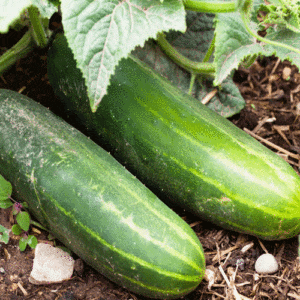
Type: Summer Squash Botanical Name:Cucurbita pepo Plant Type: Annual — Open-Pollinated, Heirloom Days to Maturity: 50–55 days from transplant Fruit Size: Harvest at 10–15 cm (4–6 in) for best flavour Skin Colour: Bright yellow, bumpy skin with curved neck Flesh: Pale yellow, mild and slightly sweet Start Indoors: 2–3 weeks before last frost Spacing: 90 cm (3 ft) apart Sun: Full sun (8+ hours)
As an Amazon Associate, I earn from qualifying purchases — at no extra cost to you.
Yellow Crookneck Squash — The Quintessential Summer Squash Alongside Zucchini
🌍 Growing Zones & Climate Performance
🇨🇦 Canada: Excellent in zones 3–9. Start indoors 2–3 weeks before last frost or direct sow after soil warms. Fast-maturing at 50–55 days — one of the best summer squash choices for shorter Canadian seasons. 🇺🇸 US: Thrives in zones 3–11. A Southern garden staple with a long history in traditional American cooking. Best for: Grilling, sautéing, stir-fries, summer salads, and anyone looking for a yellow alternative to zucchini with the same ease of growing.
Yellow crookneck squash is the summer squash that shows up at every North American farmers market alongside zucchini — bright yellow, slightly bumpy skin, and that distinctive curved neck that makes it instantly recognizable. It’s been a garden standard since the 1700s, making it one of the oldest cultivated squash varieties in continuous production. The flavour is mild and slightly sweet, the flesh pale yellow and tender, and the growing habit nearly identical to zucchini — which means anyone who can grow zucchini can grow crookneck with no adjustment at all.
The main difference from its green cousin is timing and appearance. The yellow skin makes ripeness easy to read — brilliant yellow at harvest stage, deepening and toughening as it overgrows. Like zucchini, the key is harvesting young and often. Picked at 10–15 cm (4–6 inches) the flesh is tender, mildly sweet, and practically seedless. Left to grow past 20 cm the skin toughens and the seeds enlarge. One plant in full production needs checking every 2 days in warm weather.
Starting Yellow Crookneck from Seed
Start seeds indoors 2–3 weeks before last frost in large peat pots or soil blocks — crookneck grows fast and large transplants suffer shock. Sow 1–2 seeds per pot, 2.5 cm (1 inch) deep. Germination takes 5–7 days at soil temperatures above 18°C (65°F). Transplant after all frost risk passes when soil is warm. Alternatively, direct sow after last frost — this works well in zones 5 and warmer and avoids transplant stress entirely. Space plants 90 cm apart. Good air circulation between plants is essential for reducing powdery mildew later in the season.
Once established, yellow crookneck needs the same care as zucchini — consistent watering at the base, a balanced fertilizer every 2–3 weeks, and diligent harvesting. The same rule applies: every fruit left to oversize signals the plant to slow down new production. Harvest relentlessly at peak size.
🟡 Harvest Size Guide
Size
Texture
Best Use
5–10 cm
Very tender, nearly seedless
Raw in salads, quick sauté, pickling
10–15 cm ✅ peak
Ideal — tender, mildly sweet, thin skin
Grilling, stir-fry, roasting, pasta
15–20 cm
Slightly coarser, seeds developing
Stuffing, soups, casseroles
20 cm+
Tough skin, large seeds, watery
Compost or seed saving only
Harvesting
Harvest at 10–15 cm with scissors or a sharp knife — never pull, which damages the vine. Check plants every 2 days in warm weather; a fruit can double in size overnight during a heat spell. The bumpy yellow skin makes size easy to judge by eye. Fresh crookneck keeps 4–5 days refrigerated. For longer storage, slice and blanch 2–3 minutes, cool in ice water, and freeze flat — use in soups and cooked dishes.
Saving Seeds from Yellow Crookneck
Allow one fruit to fully mature on the vine past eating stage until the skin hardens and the neck curves fully. Cut open, scoop seeds into water, rinse to remove pulp, and dry on a paper plate for 2–3 weeks. Yellow crookneck is Cucurbita pepo and will cross readily with zucchini, pumpkins, acorn squash, and other pepo squash. Isolate by 500+ metres for pure seed or hand-pollinate. Seeds remain viable 4–6 years stored cool and dry.
For complete growing guidance — planting depth, spacing, pest management, and maximizing production across all climates — see our complete squash growing guide.
❓ Yellow Crookneck Squash FAQ
What is the difference between yellow crookneck and yellow straightneck squash?
Both are yellow summer squash of the same species with nearly identical flavour. Crookneck has a curved neck and bumpy skin — an old heirloom type with more textural character. Straightneck has a straight neck and smoother skin, bred for easier commercial harvesting and handling. Home gardeners overwhelmingly prefer crookneck for its traditional character; straightneck is more common in commercial settings. Growing and cooking both is identical.
Is yellow crookneck squash the same as yellow zucchini?
No — they are related but distinct. Yellow zucchini is a cylindrical, smooth-skinned summer squash very close in shape to green zucchini but yellow. Crookneck has a curved neck, bumpy skin, and a slightly different texture — denser and drier than most yellow zucchini types. Both are excellent, and the choice is mostly one of garden tradition and appearance preference.
Can I grow yellow crookneck squash in Canada?
Yes — yellow crookneck is one of the most Canadian-friendly summer squash. At 50–55 days to maturity it fits any growing zone from 3 to 9. Start indoors 2–3 weeks before last frost in shorter-season areas, or direct sow after soil warms in zones 5 and above. Growing requirements are identical to zucchini — if you’ve grown zucchini successfully in Canada, you’ll have no issues with crookneck.
How do I prevent powdery mildew on crookneck squash?
Space plants at least 90 cm apart, water only at the base, and remove severely affected leaves promptly. A dilute baking soda spray (1 tsp per litre of water with a drop of dish soap) at the first signs of white coating can delay the spread by several weeks. Mildew is nearly inevitable by late summer for all summer squash, but plants continue producing for several weeks after it appears as long as the main stems remain healthy.
How many yellow crookneck squash does one plant produce?
A healthy, well-maintained crookneck plant harvested every 2 days typically produces 10–20 fruits through the season — comparable to zucchini. Two plants supply most households with a steady surplus. The single biggest production tip applies here just as with zucchini: never let any fruit reach oversize, as this signals the plant to stop setting new ones.
What pests attack yellow crookneck squash?
Squash vine borers are the most destructive pest — larvae tunnel into the main stem and can kill a plant within days. Monitor for frass (sawdust-like excrement) at stem bases from early July. Use row cover before adult moths emerge and remove at flowering to allow pollination. Squash bugs cluster under leaves — handpick egg clusters and adults regularly. Cucumber beetles also visit; avoid pesticides during flowering to protect pollinators.
The Classic Yellow Summer Squash
Find yellow crookneck squash seeds on Amazon — ships to Canada and the US.
As an Amazon Associate, I earn from qualifying purchases — at no extra cost to you.