We use cookies to ensure that we give you the best experience on our website.
Red Cipollini Onion Seeds
Type: Cipollini / Italian Flat Onion Botanical Name:Allium cepa Plant Type: Annual / Biennial — Open-Pollinated, Heirloom Days to Maturity: 100–110 days from transplant Bulb Shape: Distinctively flat, disc-shaped, 4–6 cm diameter Skin Colour: Deep burgundy-red Flavour: Very sweet, high sugar — exceptional for roasting and caramelizing Start Indoors: 8–10 weeks before last frost Spacing: 8–10 cm (3–4 in) apart Storage: 2–4 months after curing
As an Amazon Associate, I earn from qualifying purchases — at no extra cost to you.
Red Cipollini Onions — The Flat, Sweet Italian Onion Worth Every Extra Effort
🌍 Growing Zones & Climate Performance
🇨🇦 Canada: Best in zones 4–9. A long-day variety — well-suited to Canadian summer day lengths. Start indoors 8–10 weeks before last frost. Their flat shape and Italian culinary heritage make them a distinctive alternative to standard onion varieties. 🇺🇸 US: Best in zones 4–9 for long-day bulbing; fall/winter planting in zones 9–11. Best for: Roasting whole, caramelizing, pickling, agrodolce preparations, antipasto platters, flatbreads, and any dish where a small, sweet, visually distinctive onion shines.
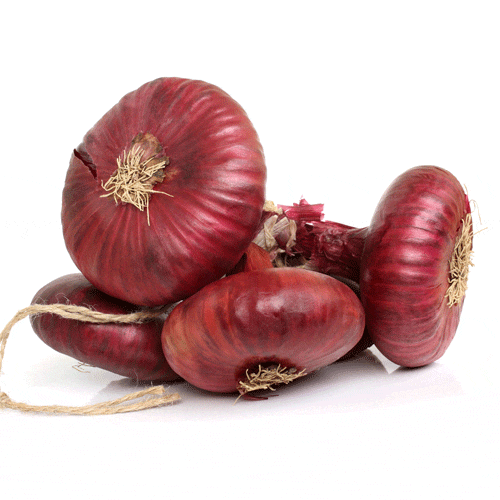
Cipollini (pronounced chee-po-LEE-nee) are a traditional Italian onion type named for their distinctive shape — flat and disc-like rather than globe-shaped, typically 4–6 cm in diameter. Red cipollini have deep burgundy-purple skin and rings of pale pink to white flesh inside. They’re prized in Italian cooking for two qualities: their naturally high sugar content (even higher than standard sweet onions) and their shape, which allows them to caramelize completely and evenly when roasted whole. A pan of roasted whole cipollini — golden, sweet, slightly jammy, still holding their shape — is one of the most elegant and effortless preparations in the Italian kitchen.
Growing cipollini in Canada requires the same care as any long-day onion: a very early indoor start, consistent nitrogen feeding through early summer, and patience. The flat bulbs are unmistakable at harvest — unlike any other onion in the garden — and they store moderately well for 2–4 months. For Canadian gardeners who want to grow something genuinely different and impressive, red cipollini deliver at every stage: beautiful in the garden, stunning at harvest, and outstanding on the plate.
Starting Red Cipollini from Seed
Start seeds indoors 8–10 weeks before your last frost date — January to February in most Canadian regions. Sow ¼ inch deep at 15–21°C (60–70°F) and thin seedlings once they reach 10 cm tall to prevent competition. Trim tops to 5 cm to encourage stockier stems. Transplant outdoors 4–6 weeks before last frost, spacing 8–10 cm (3–4 in) apart — cipollini’s flat shape means they can be planted slightly more densely than globe types. Apply a nitrogen-rich fertilizer through early summer to maximize leaf growth before bulbing.
For the full process from sowing to cured bulb — including day-length selection, transplanting, and curing for storage — see our complete guide to growing onions from seed.
🧅 Red Cipollini vs. Other Onion Types
Red Cipollini
Shape: Flat disc, 4–6 cm Flavour: Very sweet, high sugar Best use: Roasting whole, agrodolce, pickling
Shape: Round globe Flavour: Pungent, full-flavoured Best use: Cooking, storage
Pearl Onion
Shape: Tiny globe, 2–3 cm Flavour: Mild to medium Best use: Braising, stews, pickling
Soil, Care, and Watering
Cipollini need the same conditions as all onions: loose, well-draining, fertile soil with consistent moisture and good weed control. The flat shape means they develop at or very near the soil surface — don’t plant deeply. Keep consistently moist through early summer when leaf growth is building; taper watering as tops begin to yellow. Weeding is critical — cipollini’s shallow roots and flat shape make them particularly vulnerable to being crowded out.
Harvesting and Storage
Harvest when tops have fallen naturally and begun to brown — typically mid-to-late summer. The flat shape and burgundy skin are unmistakable. Cure in a warm, dry, ventilated location for 1–2 weeks. Red cipollini stores for 2–4 months in cool, dry conditions — longer than sweet onions but shorter than pungent yellow types. Their distinctive appearance and concentrated sweetness makes them worth growing in quantity for roasting through fall and early winter.
In the Kitchen
The signature preparation is whole roasted cipollini: peel (blanching briefly in boiling water loosens the skin), halve or leave whole, toss with olive oil and salt, and roast at 200°C (400°F) until golden and caramelized — about 30–40 minutes. The flat shape means they caramelize evenly on both faces without rolling around. Agrodolce (sweet-and-sour) cipollini is another classic: braise peeled whole onions in a mixture of balsamic vinegar, sugar, and butter until deeply glazed. Serve as a side dish or antipasto. Red cipollini also pickle beautifully — their small size, flat shape, and mild flavour make them ideal for quick or long-fermented pickles.
Saving Seeds from Red Cipollini Onions
Select the flattest, most true-to-type bulbs and overwinter for second-year flowering. Onion seed viability is short — 1–2 years maximum. Isolate from other Allium cepa varieties by 300+ metres for pure seed. The distinctive flat shape of cipollini is a specific trait that requires selection pressure over generations to maintain — choose seed-saving bulbs from the flattest plants each year.
❓ Red Cipollini Onion FAQ
What makes cipollini onions different from regular onions?
Cipollini are a traditional Italian onion type with a distinctive flat, disc-like shape rather than the globe shape of standard onions. They’re typically small (4–6 cm diameter), very sweet, and high in sugar — making them ideal for roasting, caramelizing, and agrodolce preparations where sweetness concentrates with cooking. The flat shape also means they caramelize evenly without the uneven cooking that plagues larger globe onions.
How do I peel cipollini onions easily?
Blanching is the key: cut a shallow X in the root end of each cipollini, then submerge in boiling water for 30–60 seconds and transfer immediately to ice water. The skin slips off easily with a gentle squeeze. This technique works for any small onion intended for roasting or braising whole. Without blanching, the papery skin of cipollini is somewhat difficult to remove cleanly due to their flat shape.
What is agrodolce and how do I make it with cipollini?
Agrodolce is the Italian sweet-and-sour condiment/side dish — “agro” (sour) and “dolce” (sweet). For cipollini agrodolce: peel whole cipollini, brown in butter and olive oil, then add a generous splash of balsamic vinegar, a tablespoon of sugar, a sprig of thyme, and enough water to come halfway up the onions. Cover and braise on low heat for 20–25 minutes until soft, then uncover and reduce the liquid to a thick glaze. Serve warm or at room temperature as a side dish or antipasto — exceptional with grilled meats, aged cheeses, and crusty bread.
When should I start cipollini seeds in Canada?
Start indoors 8–10 weeks before your last frost date — January to February in most Canadian regions. Like all long-day onions, the more leaf growth you can establish before the long-day bulbing trigger, the larger and more fully developed the flat bulbs will be. Transplant outdoors 4–6 weeks before last frost.
Are cipollini onions healthy?
Cipollini share the same nutritional profile as other onion varieties — good sources of quercetin (a potent antioxidant), vitamin C, folate, and potassium. Their higher sugar content means slightly more carbohydrates per gram than pungent yellow onions, but the difference is nutritionally insignificant in culinary quantities. The red skin contains additional anthocyanin antioxidants not present in yellow varieties.
Can I pickle red cipollini onions?
Yes — red cipollini are excellent for pickling. Their small flat size makes them easy to pack into jars whole, and their mild, sweet flavour develops beautifully in brine. Use a classic Italian-style pickle (white wine vinegar, sugar, salt, peppercorns, bay leaf) for antipasto use, or a red wine vinegar brine with herbs for a more robust flavour. Quick-pickled cipollini (ready in 30 minutes) are excellent on sandwiches and charcuterie boards; long-pickled ones improve over 2–4 weeks.
What pests affect cipollini onions?
The same pests that affect all onions: onion maggots (prevented by row cover), thrips (addressed with water spray or insecticidal soap), and fungal diseases (prevented by good drainage and airflow). Rotate the onion bed annually to reduce soil-borne disease pressure. Handle cipollini gently at harvest — their flat shape means a higher proportion of the outer skin surface is in contact with tools and surfaces, making bruising slightly more likely than with round bulbs.
Are cipollini onions toxic to pets?
Yes — all alliums including cipollini are toxic to dogs and cats. The organosulfur compounds cause hemolytic anemia in pets at any dose. Never feed onions of any type to pets. Keep harvested cipollini out of reach and ensure dogs don’t dig up plants in the garden. Contact a veterinarian immediately if a pet has consumed any allium.
The Italian Kitchen Onion Worth Growing
Find Red Cipollini onion seeds and growing supplies on Amazon — ships to Canada and the US.
As an Amazon Associate, I earn from qualifying purchases — at no extra cost to you.