Costoluto Genovese Tomato Seeds | Ribbed Italian Heirloom

Type: Tomato — Ribbed Italian Heirloom
Botanical Name: Solanum lycopersicum ‘Costoluto Genovese’
Plant Type: Annual — Open-Pollinated
Days to Maturity: 78–85 days from transplant
Flavour: Rich, tangy, robust — sauce and slicing
Fruit Size: 170–280 g (6–10 oz), deeply ribbed
Habit: Indeterminate — needs sturdy support

As an Amazon Associate, I earn from qualifying purchases — at no extra cost to you.

Costoluto Genovese Tomato — The Deeply Ribbed Old-World Italian

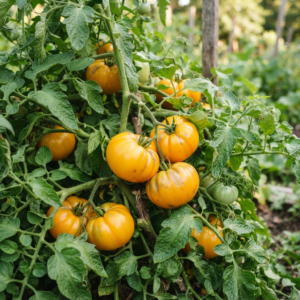
Costoluto Genovese (Solanum lycopersicum ‘Costoluto Genovese’) is the sculpted, deeply fluted tomato that has been a fixture of Ligurian kitchens since the early 1800s. The name says it plainly — costoluto is Italian for “ribbed” — and the flattened, heavily lobed fruit, 170–280 g (6–10 oz) of glossy scarlet, looks almost like a small pumpkin. Under the ribs is dense, richly flavoured flesh with a bold, tangy, old-world taste that Italian cooks prize equally for fresh eating and for cooking down into a robust sauce.

This is a vigorous indeterminate heirloom that fruits all season until frost, and it carries a genuinely useful trait: it keeps setting and ripening through hot weather that shuts down fussier varieties, which is why gardeners in the South and Southwest lean on it. At roughly 80 days from transplant it sits in the mid-season, dependable wherever summers are warm. Give it firm support for the heavy, uneven fruit, steady moisture to keep the ribbed shape from splitting, and full sun, and it produces generously right into cooler autumn weather.

🌍 Where Costoluto Genovese Tomatoes Grow Best
🇨🇦 Canada: Grown as an annual in every zone. Easiest in Zones 5–8 — start seeds indoors early-to-mid March. In Zones 3–4, use black plastic mulch, a south-facing wall, and a season-extending cover to bank enough heat for the full mid-season crop.
🇺🇸 US: Annual in all zones, and a standout for hot regions — its heat tolerance keeps it producing across the South, Southern Plains, Texas, and California when other heirlooms stall in a scorching July. Thrives across the Midwest and Northeast too.
Best for: rich pasta and pizza sauce, fresh slicing, roasting, and canning.
📋 Costoluto Genovese Tomato Quick Reference
Start seeds indoors
6–8 weeks before last frost
Germination
5–10 days at 21–27°C (70–80°F)
Days to maturity
78–85 days from transplant
Fruit size
170–280 g (6–10 oz), deeply ribbed
Plant habit
Indeterminate — sturdy support essential
Spacing
60–90 cm (24–36 in)
Light
Full sun — 8+ hours
Soil pH
6.0–6.8

🌱 How to Grow Costoluto Genovese Tomato Seeds

Start Costoluto Genovese tomato seeds indoors 6–8 weeks before your last frost date, sown 6 mm (¼ in) deep and held at 21–27°C (70–80°F), where they germinate in 5–10 days. Get bright light on the seedlings straight away to keep them stocky, pot up at the first true leaves, harden off over 7–10 days, and transplant only after the last frost with nights above 10°C (50°F).

Plant deep, up to the top leaves, so the buried stem roots out and feeds a vigorous vine. Space plants 60–90 cm (24–36 in) apart in full sun and cage or stake at planting time — this is a big, sprawling indeterminate that carries heavy, uneven fruit and needs firm support. Consistent watering is especially important here: the deep ribbing and lobes make Costoluto Genovese more prone to cracking than a smooth tomato when soil moisture swings, so mulch heavily and water deeply and evenly. Work a calcium source such as bone meal or crushed eggshells into the hole to head off blossom end rot, prune the side shoots to one or two main stems for airflow and larger fruit, and pinch the growing tips about four weeks before your first frost.

🍅 Harvesting & Preserving Costoluto Genovese Tomatoes

Pick Costoluto Genovese when the fruit has coloured to a full glossy scarlet and gives slightly to gentle pressure — the deep lobes ripen a touch unevenly, so let the whole fruit turn before harvesting. Check plants every 2–3 days at peak season and clear ripe fruit to keep the vine setting, especially in heat when it keeps producing. In a heat wave above 32°C (90°F) that stalls colouring, pick at first full blush and finish ripening indoors; never refrigerate a ripe tomato, since cold below 12°C (55°F) dulls the flavour and turns the flesh mealy.

Costoluto Genovese preserves as well as it eats fresh. The dense, richly flavoured flesh cooks down into a robust sauce and cans well whole or crushed, though it runs a little juicier than a dedicated paste tomato, so plan to simmer sauce a bit longer. Halved and slow-roasted, the ribbed fruit concentrates into a deep, tangy base worth freezing in batches. Whole fruit also freezes fine for later cooking.

🍝 Cooking with Costoluto Genovese Tomatoes

Costoluto Genovese is the classic Italian dual-purpose tomato. Its bold, tangy, robust flavour makes an exceptional cooked sauce — this is a traditional base for Ligurian pasta and pizza sauce, roasting down thick and rich with real depth. The dense flesh holds up to long simmering without going watery, and it makes a fine passata or canned tomato.

Fresh, the deeply ribbed fruit is as useful as it is striking. Sliced across the lobes it fans out into a decorative, scalloped round that dresses up a caprese, a sandwich, or an antipasto plate, and its full acidity gives salads and bruschetta a bright, old-world punch. Few tomatoes move so easily from the sauce pot to the salad bowl.

🫙 Saving Costoluto Genovese Tomato Seeds

Costoluto Genovese tomato seeds are rewarding to save because the variety is open-pollinated and grows true to type, keeping that distinctive ribbed shape generation after generation. Use the fermentation method: scoop the seeds and gel into a jar, add a splash of water, and leave at room temperature for 2–3 days until a film forms on top. That fermentation dissolves the germination-inhibiting gel coat and cuts seed-borne disease. Pour off the floaters and pulp, rinse the heavy seeds that sank, and dry them on a plate or screen for 1–2 weeks until they snap rather than bend. Stored cool and dark, they stay viable for 4–5 years.

Two habits protect the line. Save only from open-pollinated Costoluto Genovese, never a hybrid, so the ribbed fruit reproduces true. And because tomatoes occasionally cross when varieties flower side by side, space different types 3–4.5 m (10–15 ft) apart or bag a few flower trusses with fine cloth if purity matters. Before storing a batch, sprout ten seeds on a damp paper towel — if seven or more germinate, the lot is good to keep.
🍅 Browse More Tomato Seeds
Compare Costoluto Genovese against other sauce, paste, and slicing varieties in the full heirloom tomato seed collection.
🌱 Full Growing Guide
New to tomatoes? Read how to grow tomatoes from seed to harvest for zone-by-zone timing and care.
❓ Costoluto Genovese Tomato FAQ
What does Costoluto Genovese taste like?
Costoluto Genovese has a bold, rich, tangy old-world tomato flavour — fuller and more acidic than a mild modern hybrid, with real depth when cooked. That robust taste is exactly why it has stayed a favourite Italian sauce tomato for two centuries, and it gives fresh slices and bruschetta a bright, assertive punch too.
Why is Costoluto Genovese so deeply ribbed?
The heavy ribbing is simply the variety’s traditional form — costoluto means “ribbed” in Italian, and “Genovese” points to its home around Genoa. This deeply fluted, lobed shape was the norm for old European tomatoes before smooth round fruit was bred for shipping. Sliced across the lobes, the fruit fans into a decorative scalloped round that is part of its appeal.
Are Costoluto Genovese tomatoes determinate or indeterminate?
Costoluto Genovese is indeterminate — a vigorous vine that grows and sets fruit continuously until frost rather than ripening one flush like a determinate bush type. It needs tall, sturdy support and benefits from pruning the side shoots, but rewards you with a long, steady harvest of sauce-and-slicing tomatoes.
How long do Costoluto Genovese tomatoes take to grow from seed?
Costoluto Genovese matures about 78–85 days from transplant, not from seeding — a solid mid-season tomato. Add the 6–8 weeks of indoor growing before transplant and the seed-to-first-ripe-fruit span is roughly four months. An early indoor start is essential in cooler regions to finish the crop before frost.
Does Costoluto Genovese handle hot weather?
Yes — heat tolerance is one of its standout traits. Costoluto Genovese keeps setting and ripening fruit through hot, dry summers that cause many heirlooms to drop blossoms and stall, which is why it is a go-to variety across the South, Texas, and the Southwest. In extreme heat above 35°C (95°F), fruit may run a little smaller but the plant keeps producing, and it carries right on into cooler autumn weather.
Is Costoluto Genovese better for sauce or slicing?
Costoluto Genovese does both genuinely well, which is much of its appeal. Its dense flesh and robust, tangy flavour cook down into an excellent traditional Italian sauce, while the deeply ribbed fruit slices into a striking scalloped round for fresh eating. It runs slightly juicier than a dedicated paste tomato, so for sauce you simmer a little longer — but few tomatoes move so easily between the pot and the plate.
Why do my Costoluto Genovese tomatoes crack?
The deep ribs and lobes make Costoluto Genovese more crack-prone than a smooth tomato, and cracking is triggered by a sudden surge of water into ripening fruit after a dry spell. Keep watering deep and consistent, mulch heavily to buffer soil moisture, and pick promptly as fruit colours up so ripe tomatoes don’t sit through a heavy rain. Even moisture is the single best defence.
Do Costoluto Genovese tomatoes need staking?
Yes — Costoluto Genovese is a tall, vigorous indeterminate carrying heavy, uneven fruit, so unsupported plants sprawl and break. Use a heavy cage, a deep-driven stake tied every 20–30 cm (8–12 in), or a Florida-weave line, set in at transplant time. Keeping the vine off the ground also improves airflow and keeps the ribbed fruit clean.
Can I grow Costoluto Genovese in a short, cool season?
Yes, with a head start. In Canadian Zones 3–4 and the northern US, an 80-day tomato needs every warm day: start seeds indoors 6–8 weeks early, warm the soil with black plastic mulch, plant against a south-facing wall or in a raised bed, and use row cover early on. Prune to one or two stems and top the plant in late summer so it ripens set fruit before frost. The tomato growing guide breaks timing down by zone.
Can I save seeds from Costoluto Genovese tomatoes?
Yes — Costoluto Genovese is open-pollinated, so saved seed grows true to type and keeps its ribbed form. Ferment the seeds and gel in a jar of water for 2–3 days, rinse the seeds that sink, and dry them for 1–2 weeks before storing cool and dark for 4–5 years. The seed-saving guide walks through the fermentation step in detail.
🍅 Two Centuries of Italian Sauce
Grow the deeply ribbed Ligurian heirloom that cooks into rich, tangy sauce and slices into a stunning scalloped round — and keeps producing through the heat.
As an Amazon Associate, I earn from qualifying purchases — at no extra cost to you.

Buy Costoluto Genovese Tomato Seeds on Amazon →