
Beit Alpha Cucumber — The Sweet, Thin-Skinned Mediterranean Original
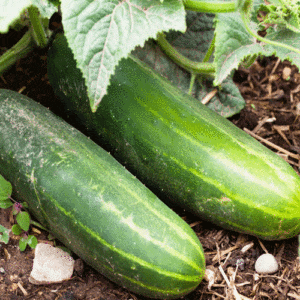
Beit Alpha is the Lebanese-style cucumber the whole category is named after — smooth, thin-skinned, nearly spineless fruit picked small at 5–15 cm (2–6 in), with sweet, mild, almost seedless flesh you never have to peel. Bred in the 1930s by Hanka Lazerson at Israel’s Beit Alpha kibbutz from the old Damascus landrace, it became so good that plant breeders have used it to develop hundreds of the “Beit Alpha type” cucumbers sold worldwide today.
Two traits set it apart from a standard slicer. The skin is tender and bitter-free, so it eats clean straight off the vine, and the plant is parthenocarpic — it can set fruit without pollination. That makes Beit Alpha a standout for greenhouses, polytunnels, and urban gardens where pollinators are scarce, while still cropping heavily outdoors on a trellis. For fresh Mediterranean eating, few cucumbers match it.
🇺🇸 US: Zones 3–11, outdoors on a trellis or in a tunnel. Its good heat tolerance and ability to set fruit in hot spells suit the South, Southwest, and Southern Plains, while the Northeast and Midwest grow it well through summer. In the humid Southeast, prioritize airflow and vertical growing to limit mildew.
Best for: Fresh Mediterranean salads, snacking, greenhouse and container growing, and anyone who wants sweet, thin-skinned cucumbers eaten skin-on.
How to Grow Beit Alpha Cucumber Seeds
Start Beit Alpha cucumber seeds in warmth — keep soil above 21°C (70°F) for fast germination in 7–10 days. Since cucumber roots resent disturbance, sow indoors just 3–4 weeks before your last frost in peat or soil-block pots, two seeds each, 1.5 cm (½ in) deep, and thin to the strongest. Transplant only once soil has warmed to at least 18°C (65°F) and nights stay mild.
Grow Beit Alpha up a trellis for the cleanest, straightest fruit and the best airflow — this thin-skinned type is worth keeping off the soil. Space plants 30–45 cm (12–18 in) apart, work compost into the bed, and water deeply and consistently at the base; steady moisture keeps the fruit sweet and prevents the bitterness that stress brings on. Feed a balanced fertilizer every 2–3 weeks, easing off nitrogen once fruit sets.
Because Beit Alpha is parthenocarpic, you have a choice. Grown isolated under cover, it produces nearly seedless fruit without any pollination. Grown outdoors where bees visit, it still crops heavily but develops small, soft, edible seeds. Both taste excellent — the isolation only matters if you specifically want a seedless crop or intend to save true seed.
Harvesting & Storing Beit Alpha Cucumbers
Pick Beit Alpha small — 5–15 cm (2–6 in) is the sweet spot, and many growers prefer them at the shorter end for the crispest, sweetest bite. Harvest every 1–2 days once fruiting begins: at this size the plant sets prolifically, and leaving fruit to size up slows new production and coarsens the flesh. Cut with shears to protect the vine rather than tugging.
The tender, spineless skin that makes Beit Alpha so easy to eat also means it bruises and dries out faster than thicker field cucumbers, so handle gently and store wrapped. It keeps 4–6 days in the warmest part of the fridge; hold it above 10°C (50°F) to avoid the pitting and softening cucumbers suffer in deep cold. For peak flavour and crunch, eat within a couple of days.
Cooking with Beit Alpha Cucumbers
Beit Alpha is a fresh-eating cucumber at heart, and it’s the classic choice for Mediterranean and Middle Eastern dishes. Diced skin-on, it’s the backbone of Israeli salad with tomato, onion, parsley, and lemon; it blends into tzatziki, raita, and cacik without watering them down, thanks to its low seed content. The sweet, mild flavour also makes it perfect for simple snacking spears, cucumber-and-feta salads, and chilled cucumber-yogurt soups.
Because there’s no need to peel or seed it, Beit Alpha is one of the quickest cucumbers to prep — rinse, slice, and go. Its small size and clean taste suit pickled Persian-style quick pickles too, though the thin skin means those are best eaten fresh rather than kept long. For everyday raw use, it’s as versatile as cucumbers get.
Saving Beit Alpha Cucumber Seeds
The original Beit Alpha is open-pollinated, so seed from a true heirloom plant grows true to type. One important caution: because Beit Alpha has been used to breed so many hybrids, plenty of packets sold as “Beit Alpha” are actually F1 hybrids or Beit-Alpha-type crosses. Seed saved from an F1 won’t come true — so only save seed if you started with a confirmed open-pollinated heirloom strain.
To save seed, allow a pollinated fruit to mature well past eating size until it yellows and softens, scoop the seeds into water, and ferment 2–3 days to remove the gel coat before rinsing and drying. Cucumbers cross with other Cucumis sativus varieties via bees but never with squash or melon, so isolate Beit Alpha by at least 800 m (½ mile) or hand-pollinate and bag blossoms. Dried, cleaned seed stays viable for 5 or more years stored cool and dark.